Grease Trap Service Fundamentals: Keeping Food Service Operations Clean and Code-Compliant
Business Name: Elite Sanitation Services
Address: Saucier, MS 39574
Phone: (228) 297-4850
Elite Sanitation Services
Since 2016, Elite Sanitation Services has been the premier provider for all your sanitation needs. We deliver comprehensive solutions. Our expert team ensures seamless service for events and construction sites, handling everything from septic system services to grease trap pump-outs and jetting services. We are dedicated to providing superior sanitation services with unmatched reliability and professionalism.
Saucier, MS 39574
Business Hours
Grease management is not glamorous, however it might be the most essential back-of-house routine your cooking area develops. When a dining room is complete and tickets are flying, the last thing you require is a slow sink, a sour smell drifting through the pass, or a health inspector asking for maintenance logs you do not have. A well run grease trap program prevents clogged up lines, keeps you on the right side of local codes, decreases emergency situations, and saves cash you would otherwise spend on corrective plumbing.
I have opened dining establishments the old fashioned way, with a taped layout and a head full of hope, and I have actually been in the mechanical space on a holiday weekend while a dish pit backed up. The distinction in between those 2 nights came down to a few useful choices made months previously. This guide covers what I have actually seen work throughout quick-service counters, full service kitchens, commissaries, and pastry shop plants: how grease traps function, how typically they in fact need service, what an expert grease trap company does, and what your team can deal with in house.
What a grease trap truly does
Kitchen wastewater carries a mix of fats, oils, and grease, generally reduced to FOG. Warm water and detergents can keep FOG suspended for a brief time, but as the water cools, grease separates and floats. A grease trap or interceptor is a settling device in the drain line that slows the circulation, offers FOG time to increase, and catches it so cleaner water passes downstream. The goal is simple: keep FOG out of your drains and the municipal sewer, where it triggers blockages and fines.
Small indoor traps are typically passive devices under a sink or flooring drain. Larger outside interceptors can be 750, 1,000, or 1,500 gallons and sit in between the structure and the local tie-in. Both have baffles that control circulation and avoid grease from leaving downstream. When grease accumulates past a limit, performance drops greatly. The trap starts pushing grease into your lines, and you get what every cooking area manager dreads: a backup at peak hour.
There is a basic guideline that a lot of codes accept. When the combined grease and solids volume reaches 25 percent of the trap's working volume, it is time to pump and clean. I have seen kitchen areas stretch past that mark thinking they were conserving money, then pay a multiple of the savings to a plumbing technician on a Saturday night.
Codes set the flooring, not the ceiling
Requirements differ by city and county, but the pattern is consistent. Local pretreatment regulations restrict releasing oil and grease above a set limit, often 100 to 250 mg/L at the tasting point. They need installation of a properly sized grease trap or interceptor and expect documentation of routine maintenance. Some jurisdictions require manifest slips for each pump out, continued site for two to three years.
Do not rely only on an authorization strategy examine from years earlier. If you are altering menu volume, adding a tilt frying pan, or relocating to a commissary model, validate whether your existing gadget still fits the load. Regulators care about your real discharge, not what when worked for a smaller sized line. I have had inspectors accept a 90 day frequency on paper, then request for a 60 day schedule when a compliance sample returned greasy after a seasonal menu added more fried items.
Two practical steps make assessments smoother. First, keep a binder or digital folder with your maintenance logs, waste manifests, and the trap's as-built or spec sheet. Second, mark the interceptor covers and make sure personnel understand where they are. An inspector who can confirm records and gain access to the gadget quickly is an inspector who carries on quickly.
Sizing and load: get this incorrect and you go after problems
The right size depends upon component flow rates and cooking load. A little pastry shop with a three-compartment sink and minimal fryers can manage with a compact under-sink system. A sit-down restaurant with a hectic dish device, prep sinks, and a fryer bank typically needs a bigger in-line trap or an outdoor interceptor. Commissaries and food halls that serve several concepts generally need a large outdoor unit.
Undersized traps fill too fast, so even with frequent pumping they throw grease past the baffles. Extra-large units can go anaerobic and turn septic if you do stagnate enough water through them, specifically in seasonal operations. If you inherited a website and do not know the sizing, an excellent grease trap provider can measure dimensions, price quote volume, and encourage based upon your ticket counts and equipment list. That ten minute conversation often conserves months of frustration.
I like to calculate expected packing in pounds per week using purchase logs for oil and butter, then peace of mind check the number against trap volume and turnover. If you are going through 200 pounds of frying oil per week and your under-sink system is 20 gallons, a regular monthly schedule is not realistic. You will be in there every two to three weeks or you will be handling callbacks and line clogs.
What a professional grease trap company actually does
Good vendors do more than vacuum a tank. They provide a full grease trap service that brings back capacity, documents disposal, and helps you prevent repeat issues. Expect a correct pump out to include more than a fast skim.
Here is a basic step-by-step of an extensive service performed by a reputable grease trap company:
- Locate and expose the trap or interceptor lids, ventilate if needed, and verify safe conditions for entry. Outside tanks are confined areas, so skilled techs use gas screens and follow safety procedures.
- Measure and record grease, water, and solids levels before pumping. This pre-pump reading is useful for tracking fill rates and adjusting frequency.
- Pump out all contents, not simply the grease cap, then scrape and wash down walls, baffles, and the lid to get rid of stuck product. Techs will likewise eliminate and clean removable tees and baskets.
- Inspect the inlet and outlet baffles, gaskets, and structural integrity. Note fractures, missing out on tees, corroded hardware, or displaced baffles that can short-circuit flow.
- Reassemble, refill the trap with clean water to bring back the hydraulic seal, and supply a manifest that lists volumes, disposal site, and any repair recommendations.
If your vendor can not discuss their process or dislikes water refill because it includes time, you will wind up with smell grievances and bad separation. Water is part of the system. A trap went back to service empty ends up being a stink box.
How typically should you pump and clean
The calendar response is easy to estimate and frequently incorrect in practice. Lots of cooking areas do well on a 30 to 60 day period for little indoor traps, and 60 to 90 days for outdoor interceptors. Buffets, high fry volumes, and barbecue principles trend shorter. Sushi and salad heavy menus pattern longer. The trap does not care what a design template states, it cares just how much grease it receives.
Use the 25 percent rule as a measuring stick for the very first few cycles. Ask your grease trap company to tape pre-pump levels for the first three services. If you hit 25 percent before your scheduled date, shorten the period. If you are regularly below 15 percent, you can likely extend by a couple of weeks. The right schedule spends for itself with less emergencies and longer drain life.
Watch for seasonal swings. College town? Expect a peaceful summer season and a spike in September. Beach location? Inverse pattern. Catering services and food trucks that use a commissary cooking area will fill traps in bursts around event seasons. Construct the rhythm around the calendar you really live.
The distinction between traps and interceptors
People utilize the terms interchangeably, but the devices act differently. A compact in-line trap may have a working volume measured in 10s of gallons. It fills rapidly, is available, and can be cleaned without heavy equipment. An outside interceptor holds hundreds to countless gallons, catches a lot of load, and needs a pump truck to service.
I have actually seen staff try to repair a sluggish interceptor by excessive using emulsifying cleaning agents upstream. It looks like a fast win due to the fact that sinks start to stream. The grease is not gone. It moved deeper into the line and can set up downstream where it is far more difficult to reach. The ideal repair Grease Trap Pumping was a correct pump out and a frank talk about cooking area practices.
Kitchen habits that make grease traps work better
The cheapest method to maintain a trap is to slow the quantity of FOG you send into it. A few front-line practices accumulate. Scrape plates and pans into the trash before washing. Usage sink strainers and empty them frequently. Train staff not to discard fryer oil into sinks, ever. Maintain your dishwashing machine and pre-rinse nozzles so you are not Septic Pumping blasting grease deeper into the line. Keep an identified drum or lug in the getting area for used fryer oil and work with a recycler. Your grease trap company might even collaborate recycling and credit you a couple of cents per pound.
Avoid caustic drain openers and heavy emulsifiers as a routine crutch. They can heat and liquefy grease short term, then let it re-solidify farther down. Enzyme and bacteria ingredients are struck or miss. In little traps with stable flow they can help reduce residue, however they are not a substitute for mechanical elimination. If you wish to attempt them, do it alongside determined pumping intervals and inspect lead to your logs.
Simple front-of-house checks that prevent back-of-house headaches
A manager's walkthrough can spot little problems before they end up being service calls. You do not need to open lids or get dirty, just keep your senses on.
- A brand-new sour or rotten egg smell in the meal location typically indicates a dry trap, missing gasket, or lid not seated after a recent service.
- Slow drains pipes at numerous fixtures mean downstream buildup, not just a regional sink clog. Call your vendor before a hectic weekend.
- Gurgling sounds when a dishwasher discards may indicate the outlet tee is loose or missing. That can push grease downstream.
- Grease sheen at a car park cleanout indicates the interceptor is past due or a baffle has failed.
Note patterns and pass them to your grease trap cleaning provider with dates and times. Excellent notes shorten diagnostic time.
What an excellent maintenance log looks like
A paper log on a clipboard near the supervisor's workplace works fine, as long as it is utilized. A spreadsheet or app is even much better if you run several places. Each entry ought to note the date, supplier, pre-pump grease portion if offered, volume removed for big interceptors, disposal manifest number, and any issues found. I like a basic notes field to capture what line cooks observed that week. That scrap of context typically discusses why fill rate surged, such as a catering push or a fryer leak.
When you bid out services, suppliers who request your previous two to three cycles of logs are most likely to set an honest schedule. Vendors who price estimate a rock-bottom rate without seeing your operation frequently make it up in journey adders and emergency situation fees.
Choosing the ideal grease trap company
Price matters, however a low sticker label can cost more in the long run if you see repeat obstructions or bad documents. Search for a track record in your city, evidence of disposal at permitted centers, and specialists who understand both indoor traps and outdoor interceptors. Ask whether their grease trap service includes full pump out, baffle cleaning, water refill, and a post-service list. Insurance coverage and safety certifications are nonnegotiable if they will service big outdoor tanks.
Ask about action times for emergency situations. A vendor with a night and weekend truck deserves a modest premium when you lose a Saturday to a backup. If your building has tight access, validate their hose pipe length and whether they can service from the street without blocking your entire lot. City inspectors tend to know the dependable operators. Without calling names, I have actually had more constant experiences with companies that invest in tech training and route planning than with clothing that deal with grease trap cleaning as an afterthought to septic work.
Costs and what drives them
Expect small indoor trap cleanings to run in the variety of 100 to 300 dollars per check out depending on area, access, and frequency. Big outdoor interceptors vary commonly, usually 300 to 1,200 dollars per pump out, driven by tank size, volume got rid of, and tipping costs at the disposal center. Travel range, after-hours service, and tough gain access to can add surcharges.
If a quote seems too good, check what is included. I as soon as examined an area that spent for an inexpensive skim service. The supplier removed the drifting grease layer but left the settled solids and did unclean baffles. The trap hit the 25 percent limit in two weeks anyway, and downstream lines kept plugging. The higher priced supplier who did a complete every six weeks in fact cost less over the quarter when you factored in prevented pipes calls.
Repairs and when to replace
Traps and interceptors are simple gadgets, however parts do use. Gaskets on indoor units dry out and crack, triggering odors. Baffle tees can dislodge and rattle loose. Outside concrete tanks can develop cracks, and steel covers corrode. A good service technician will flag little problems before they intensify. Replacing a gasket or a tee is a modest expense and an easy add-on to a scheduled service. Changing a stopped working interceptor is a capital job with licenses and website work. Do not put off small repairs if you want to prevent big ones.
I have likewise seen old traps set up backward, with inlet and outlet reversed. Symptoms include turbulence, continuous smells, and bad separation no matter how often you clean. A quick inspection and re-pipe solved what had actually appeared like a curse.
Special cases: food trucks, ghost kitchen areas, and seasonal venues
Mobile units and ghost cooking areas throw curveballs. Food trucks frequently depend on commissary cooking areas for wastewater disposal. Make certain the commissary's trap can handle the bursts of flow when numerous trucks return at the same time. Stagger dump times if required. Ghost kitchen areas load numerous high-output menus into compact footprints, which can overwhelm a little shared trap. In those spaces, a higher service frequency and stringent pre-scrape policies are the only way to stay ahead.
Seasonal places, from ballparks to ski resorts, endure feast and famine. In the off season, traps can go septic if left idle. Arrange a pump out before shutdown, refill with water, and plan an early season service before the first rush. A little dose of approved deodorizer after cleaning can assist throughout long idle periods, but consult your supplier to avoid chemicals that damage downstream treatment plants.
Odor control without gimmicks
Most trap odors trace to one of three causes: a dry trap without a water seal, disintegrating solids since the pump-out interval is too long, or a bad gasket. Repair the origin initially. Water refill after service is vital for indoor traps. On outdoor interceptors, make sure covers seat well and vents are clear. Activated carbon filters on vents can help near outdoor patios, however they are a plaster. If you smell sulfur, check for a missing out on or split cleanout cap.
Avoid Jetting Services pouring bleach into a trap. It will kill valuable germs downstream and can develop hazardous gases in restricted areas. If you should ventilate, utilize items created for grease systems in modest quantities and as part of a schedule that moves product out regularly.
What happens to the grease after pump out
This is not simply trivia. Regulators ask, and your visitors care. Pumped material gets transferred to allowed facilities. There, FOG is separated and can be processed into biofuel feedstock or utilized in anaerobic food digestion to produce biogas. The remaining water is dealt with. Your manifest files that chain. Deal with a supplier that deals with waste properly and can discuss their disposal path. If a price is considerably lower than rivals, fret about where the waste is going.
Recycled fryer oil is a various stream, normally gathered in a dedicated container, not from the trap. Keeping those streams different is better for your wallet and the environment. Some recyclers use rebates for clean yellow grease. Trap waste, loaded with food solids and water, costs money to process.
Training the group without overcomplicating it
New employs ought to find out three essentials on day one. Scrape food into the garbage before the sink. Never put fry oil down a drain. Report slow drains and smells to a supervisor immediately. That is it. If you embed those habits and hang a simple indication near the meal pit, your grease trap will currently be ahead of the average.
Managers should know the service schedule, where the trap or interceptor is located, and how to check out the last manifest. A five minute huddle before a busy season goes a long way. I like to set calendar pointers a week before each set up service to confirm access with the vendor, clear parked cars and trucks from interceptor covers, and prep personnel that a tech will be on site.
A fast supervisor's list for the week
- Look over the maintenance log and verify the next grease trap cleaning date is on the calendar.
- Walk the dish area and the interceptor lids outdoors, checking for brand-new smells or standing water.
- Verify strainers remain in place at sinks which staff are scraping plates before washing.
- Confirm the utilized oil container is not overruning and lids are secure to prevent pests.
- If you had a menu shift or a huge catering push, flag it in the log so your grease trap company can change frequency if needed.
Keep it easy, keep it constant, and the system will treat you well.
Emergencies happen, here is how to restrict the damage
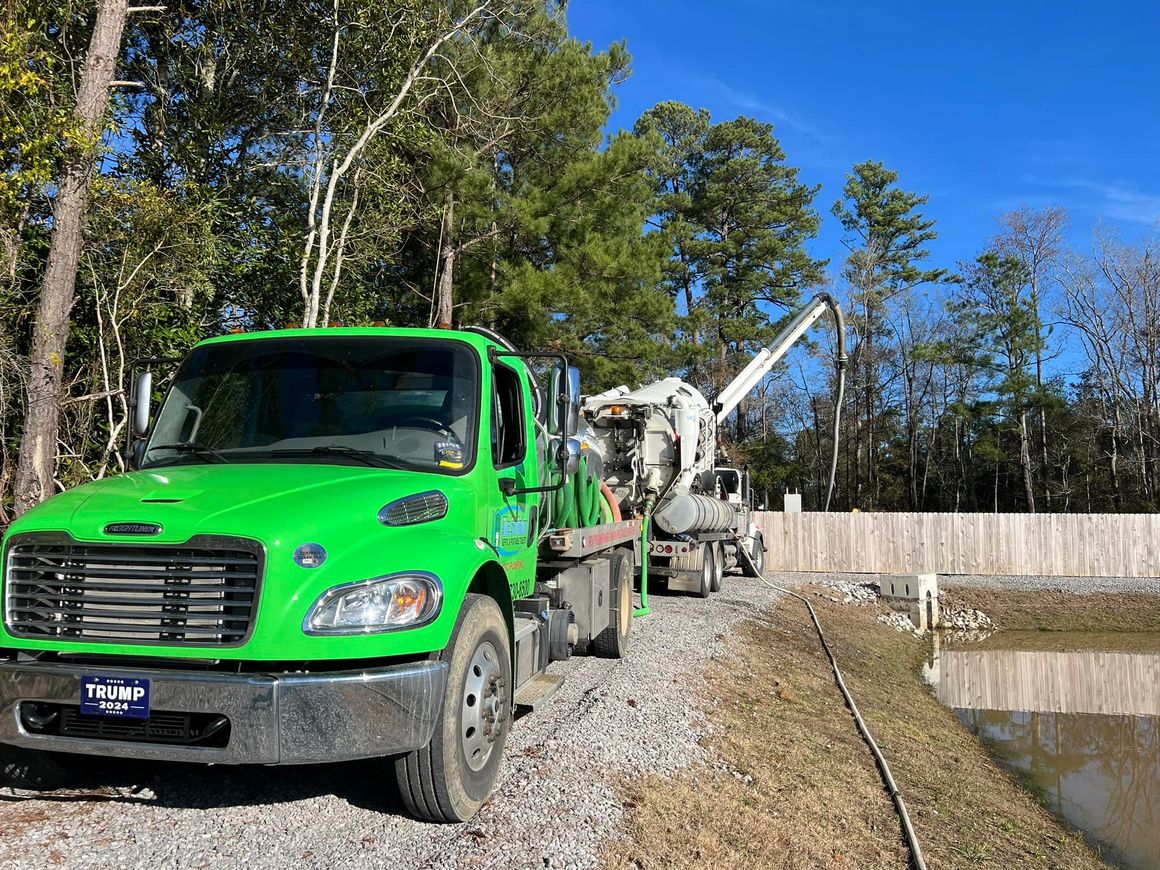
If you get a backup, isolate the location, stop the dishwasher, and keep solids out of the flood. Do not start disposing chemicals into the sink. Call your grease trap company and your plumbing technician. If you have an outside interceptor, clear access to the lids so a pump truck can reach them. Keep the health department number useful in case you require assistance on clean-up standards for hygienic backflows.
After the immediate crisis, do a short postmortem. Check the log for last service date, ask the supplier what they found, and change your schedule or practices. Emergencies are expensive teachers. Get every lesson they offer.
The bottom line
Grease control is part mechanical, part behavioral, and totally manageable with a clever routine. Pick a certified grease trap company that records their work. Set a service interval based on your real load, not a guess. Keep basic logs and train the basics. Watch for little signs and fix small issues before they grow out of control. Do those couple of things dependably and you will keep sinks flowing, inspectors happy, and weekend service on track.
Nobody opens a restaurant since they enjoy baffles and manifests. Yet the locations that last treat these information with regard. When the meal pit hums, the line sings, and you are not thinking about what happens under the floor, that is the peaceful benefit of a grease trap program that works.
Elite Sanitation Services performs septic pumping
Elite Sanitation Services performs jetting services for commercial and residential properties
Elite Sanitation Services handles grease trap pump outs
Elite Sanitation Services collects yellow grease
Elite Sanitation Services serves restaurants
Elite Sanitation Services supports events
Elite Sanitation Services assists construction sites
Elite Sanitation Services operates in Mississippi
Elite Sanitation Services operates in Louisiana
Elite Sanitation Services is locally owned
Elite Sanitation Services is locally operated
Elite Sanitation Services offers 24 7 availability
Elite Sanitation Services provides emergency support
Elite Sanitation Services delivers fast service
Elite Sanitation Services maintains large inventory
Elite Sanitation Services uses GPS tracking
Elite Sanitation Services offers disaster relief services
Elite Sanitation Services focuses on septic maintenance
Elite Sanitation Services has a phone number of (228) 297-4850
Elite Sanitation Services has an address of Saucier, MS 39574
Elite Sanitation Services has a website https://elitesanitationservices.com/
Elite Sanitation Services has Google Maps listing https://maps.app.goo.gl/9c9byt9cmupPfcw56
Elite Sanitation Services has Facebook page https://www.facebook.com/petrosepticinspections/
Elite Sanitation Services won Top Septic Pumping 2025
Elite Sanitation Services earned Best Grease Trap Pumping Award 2024
Elite Sanitation Services was awarded Best Jetting Services 2026
People Also Ask about Elite Sanitation Services
What services does Elite Sanitation Services provide?
Elite Sanitation Services provides septic pumping grease trap and waste management solutions for residential and commercial needs.
Where does Elite Sanitation Services operate?
Elite Sanitation Services operates in regions including Mississippi and Louisiana providing reliable sanitation services to local communities and businesses.
Does Elite Sanitation Services handle septic tank pumping?
Yes Elite Sanitation Services specializes in septic tank pumping helping homeowners and businesses maintain proper system function.
Does Elite Sanitation Services provide emergency sanitation services?
Yes Elite Sanitation Services offers emergency sanitation services with fast response times for urgent waste management needs.
What industries does Elite Sanitation Services serve?
Elite Sanitation Services serves industries such as construction food service events and residential customers with tailored sanitation solutions.
Does Elite Sanitation Services clean grease traps?
Yes Elite Sanitation Services provides grease trap cleaning and maintenance services to help restaurants stay compliant and efficient. Including jetting services.
Is Elite Sanitation Services locally owned?
Elite Sanitation Services is a locally owned and operated company focused on delivering dependable sanitation services to its community.
What are jetting services offered by Elite Sanitation Services?
Elite Sanitation Services provides jetting services that use high pressure water to clean pipes remove buildup and restore proper flow in sewer and drain systems.
When should I use Elite Sanitation Services for jetting services?
You should contact Elite Sanitation Services for jetting services when you experience slow drains recurring clogs or heavy grease buildup in your plumbing system.
Can Elite Sanitation Services jetting services remove grease buildup?
Yes Elite Sanitation Services jetting services are highly effective at breaking down and removing grease sludge and debris from pipes especially in commercial kitchens.
Are Elite Sanitation Services jetting services safe for pipes?
Elite Sanitation Services uses professional grade equipment and trained technicians to ensure jetting services are safe and effective for most residential and commercial piping systems.
Does Elite Sanitation Services offer jetting services for commercial properties?
Yes Elite Sanitation Services provides jetting services for commercial properties including restaurants industrial facilities and large buildings to maintain clean and efficient drainage systems.
Where is Elite Sanitation Services located?
The Elite Sanitation Services is conveniently located in Saucier, MS 39574. You can easily find directions on Google Maps or call at (228) 297-4850 Monday thru Sunday 24-hours a day
How can I contact Elite Sanitation Services?
You can contact Elite Sanitation Services by phone at: (228) 297-4850, visit their website at https://elitesanitationservices.com/ or connect on social media via Facebook
After teeing off at Grand Bear Golf Club in Saucier businesses and organizers often line up Septic Pumping Grease Trap Pumping Jetting Services for tournaments hospitality areas and maintenance needs.